ELASTIC Consortium Meeting in Lund: Advancing Integration and Demonstrator Development
Integration milestones, demonstrator alignment, and confidential computing developments mark an important step forward for the ELASTIC 6G research project.
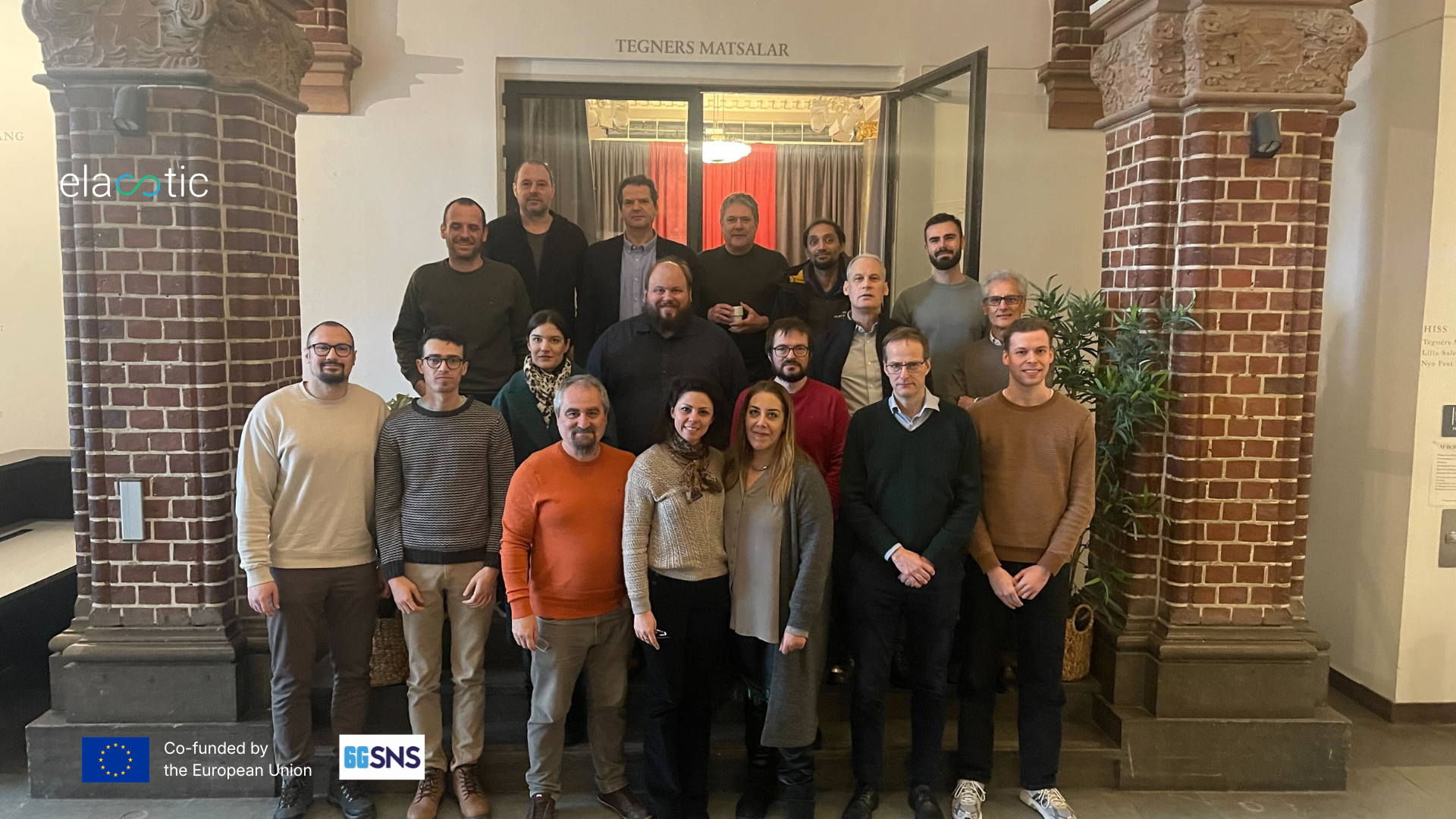
The ELASTIC consortium gathered in Lund, Sweden, on 20–21 January 2026 for a two-day plenary and technical meeting hosted by Lund University. Bringing together partners from academia, research organisations, and industry, the meeting provided an opportunity to review the project’s latest developments and strengthen collaboration as ELASTIC enters a critical phase of technology integration.
With several core components reaching maturity, the focus of the consortium is now shifting from individual developments toward system-level integration and demonstrator validation. These efforts aim to ensure that the technologies developed across the project can operate together as a coherent framework enabling secure, portable, and efficient orchestration across the cloud–edge–IoT continuum, a key requirement for future 6G infrastructures.
Key Outcomes of the Lund Meeting
The meeting allowed partners to align their technical work and prepare the next steps of the project, with several important outcomes:
- Alignment of technical components developed across ELASTIC work packages
- Progress in integrating orchestration, security, and monitoring mechanisms
- Consolidation of demonstrator integration workflows
- Advancements in confidential computing and remote attestation technologies
- Coordination of the roadmap towards upcoming milestones and validations
Progress Across ELASTIC Technical Work Packages
WP1 – Efficient, Portable and Secure Executable Isolation
WP1 partners presented progress on secure execution environments based on WebAssembly and related runtime technologies. The work focuses on enabling portable workloads that can run across heterogeneous infrastructures while maintaining strong isolation and security guarantees. Recent developments strengthen runtime extensibility and cross-platform execution, allowing ELASTIC workloads to operate consistently across IoT devices, edge systems, and cloud environments.
WP2 – Serverless Orchestration and Distributed Execution
WP2 discussions focused on the orchestration layer responsible for managing distributed services across the cloud–edge continuum. Partners presented progress on serverless orchestration frameworks, distributed supervision mechanisms, and networking technologies that support low-latency communication between services. These capabilities enable dynamic service deployment and efficient lifecycle management of workloads across heterogeneous infrastructures.
WP3 – Confidential Computing and Trusted Execution
Within WP3, partners reviewed developments related to Trusted Execution Environments (TEEs), remote attestation, and secure workload lifecycle management. These technologies enable privacy-preserving service execution, ensuring that sensitive data can be processed securely even in partially trusted infrastructures. The work contributes to building a strong trust layer within the ELASTIC architecture.
WP4 – Secure and Efficient Edge Workload Orchestration
The WP4 session highlighted progress in enabling secure and resource-efficient computation at the edge. Partners discussed technologies supporting machine learning at the edge, hardware-assisted security mechanisms, and lightweight protection techniques for IoT and industrial environments. These capabilities ensure that ELASTIC technologies can operate effectively in resource-constrained edge infrastructures while maintaining high performance and strong security guarantees.
WP6 – Dissemination, Standardisation and Exploitation
The consortium also reviewed dissemination activities and ecosystem engagement efforts aimed at maximising the impact of ELASTIC results. Partners continue to contribute to scientific publications, open-source communities, and relevant standardisation initiatives related to WebAssembly, edge computing, and secure service orchestration. These activities strengthen ELASTIC’s position within the broader European 6G research ecosystem.
Integration Focus: From Components to End-to-End Systems
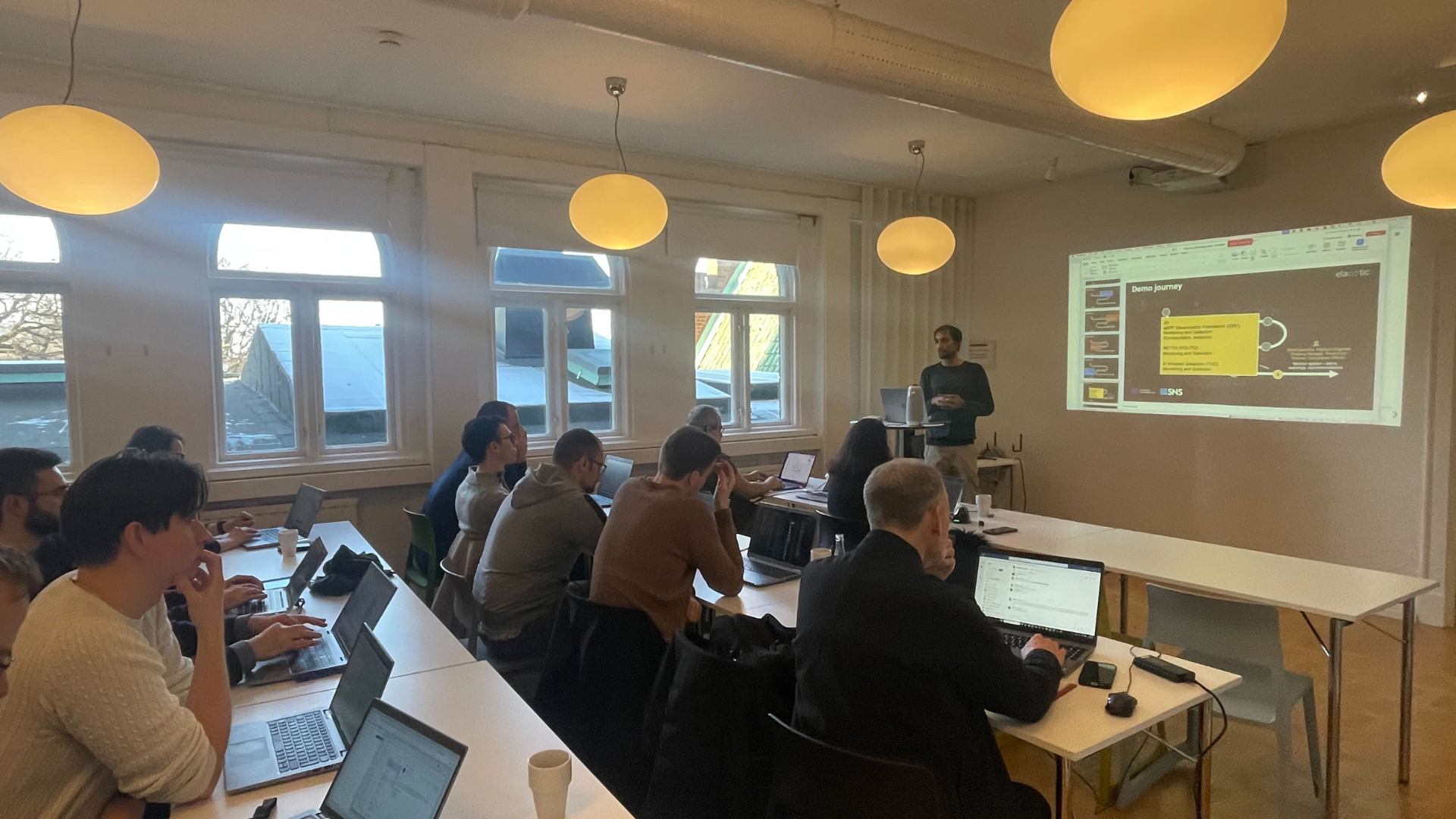
A central focus of the Lund meeting was advancing the integration of ELASTIC technologies into complete validation environments. Dedicated workshops examined how orchestration mechanisms, runtime environments, security technologies, and monitoring tools can be combined into coherent systems capable of supporting distributed applications.
Rather than revisiting application scenarios, partners concentrated on practical integration aspects such as component interoperability, deployment workflows, and validation infrastructures. These discussions helped clarify the technical roadmap for the coming months and strengthened coordination across the consortium.
By aligning these elements, the project is moving closer to demonstrating how ELASTIC technologies can support secure and efficient service execution across distributed cloud–edge infrastructures.
Preparing the Next Phase of ELASTIC
As the project advances, the consortium will continue focusing on system integration, demonstrator validation, and ecosystem engagement. Upcoming work will concentrate on validating the ELASTIC framework in realistic environments while further strengthening collaborations with research communities, industry stakeholders, and standardisation initiatives.
The meeting also provided an opportunity for the consortium to review the feedback received during the project review, discussing the recommendations and aligning the next technical and coordination steps accordingly. These discussions helped ensure that the project continues to progress in line with its objectives while strengthening the integration and validation activities planned for the coming months.
The meeting helped align the consortium on the next phase of the project, with a clear focus on integrating the project’s technologies and preparing the demonstrators for upcoming validation activities.
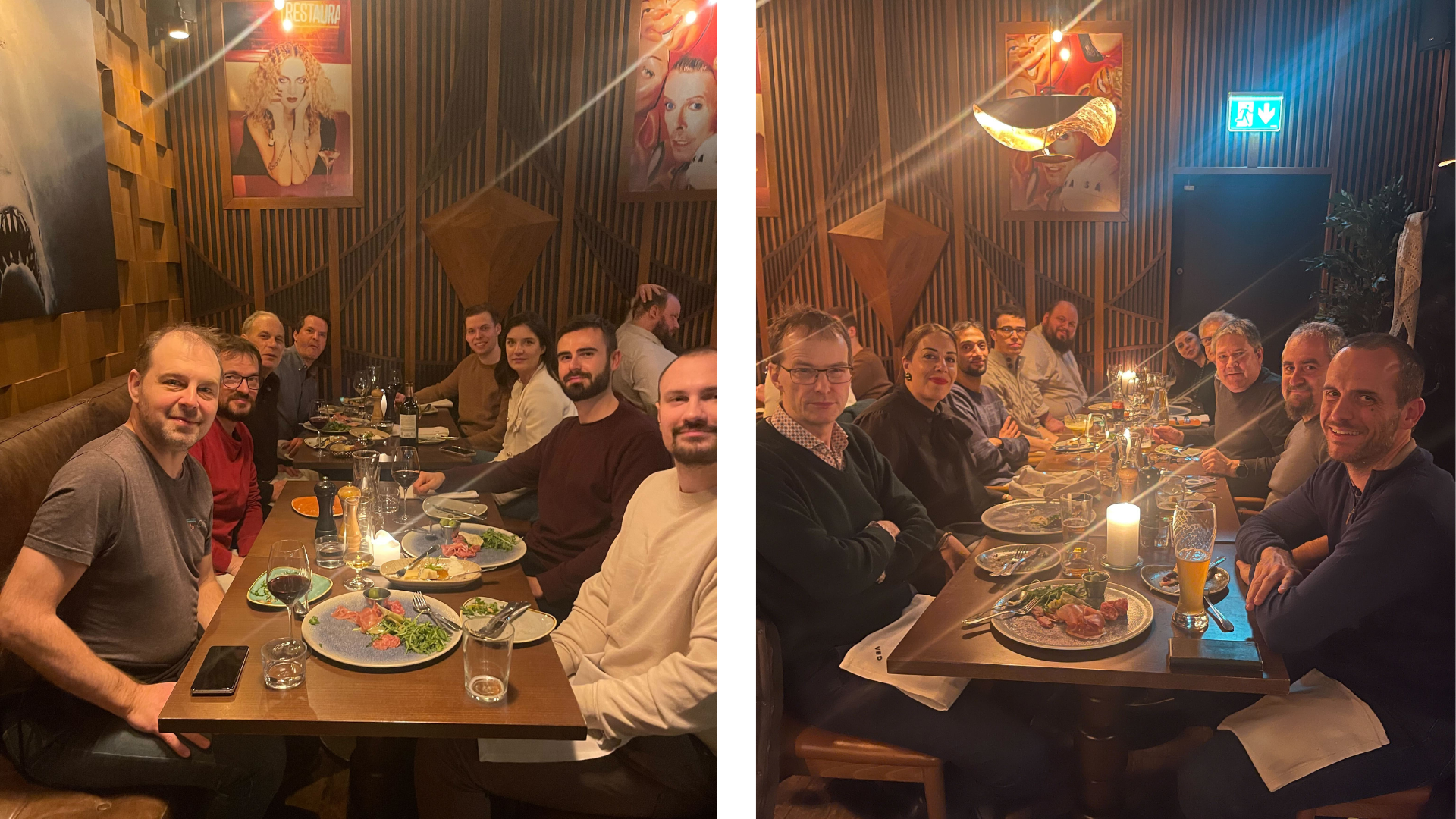
As always, the technical sessions were complemented by a consortium social dinner, offering partners the opportunity to connect beyond formal discussions. These informal moments remain an important part of ELASTIC’s collaboration culture, strengthening trust and teamwork across organisations and countries.